Understanding Vitamins and Micronutrients for Active Men
An educational resource exploring the role of essential nutrients, natural food sources, and balanced nutrition patterns for maintaining energy and wellness.
Educational content only. No promises of outcomes.
Learn more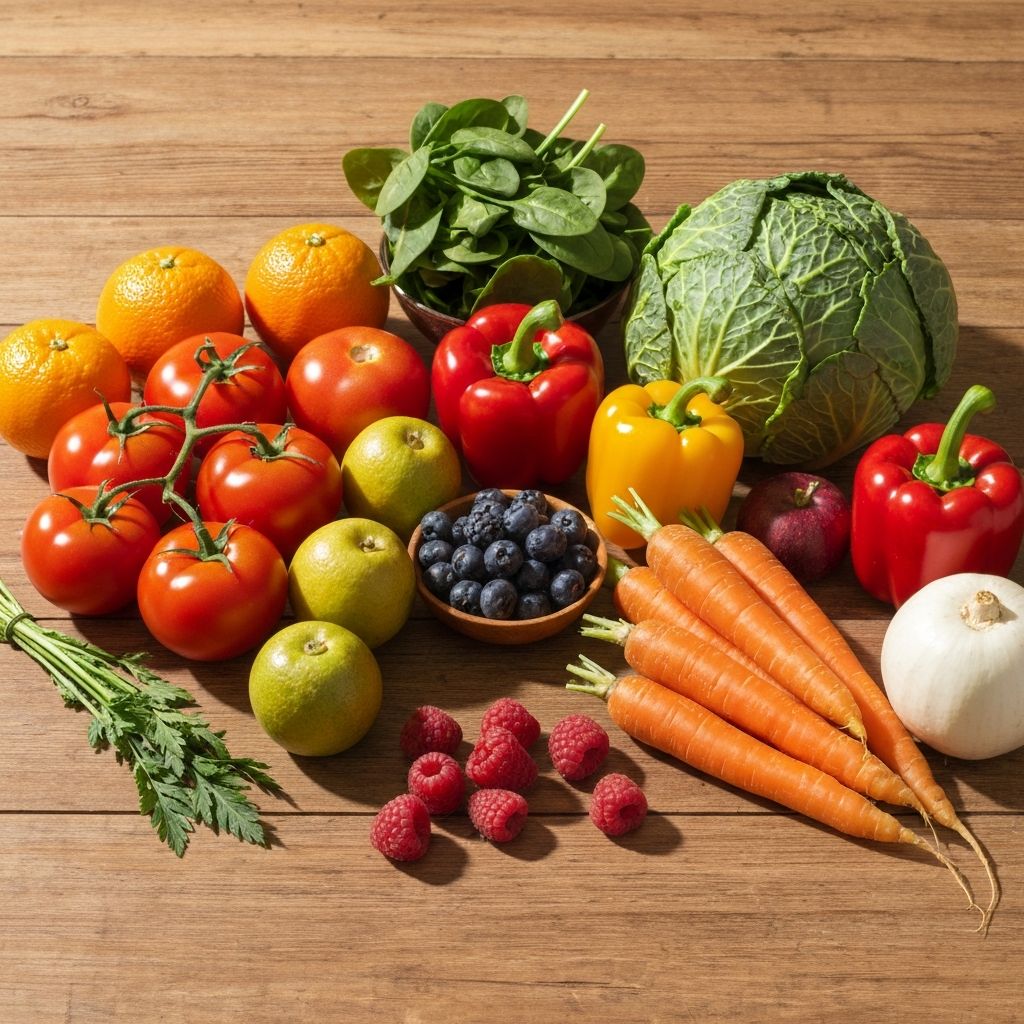
Overview of Vitamins
Vitamins are organic compounds that our bodies need in small amounts to function properly. They play crucial roles in various bodily processes, from energy production to immune function. Understanding different vitamins and their natural food sources helps inform dietary choices.
Vitamin A
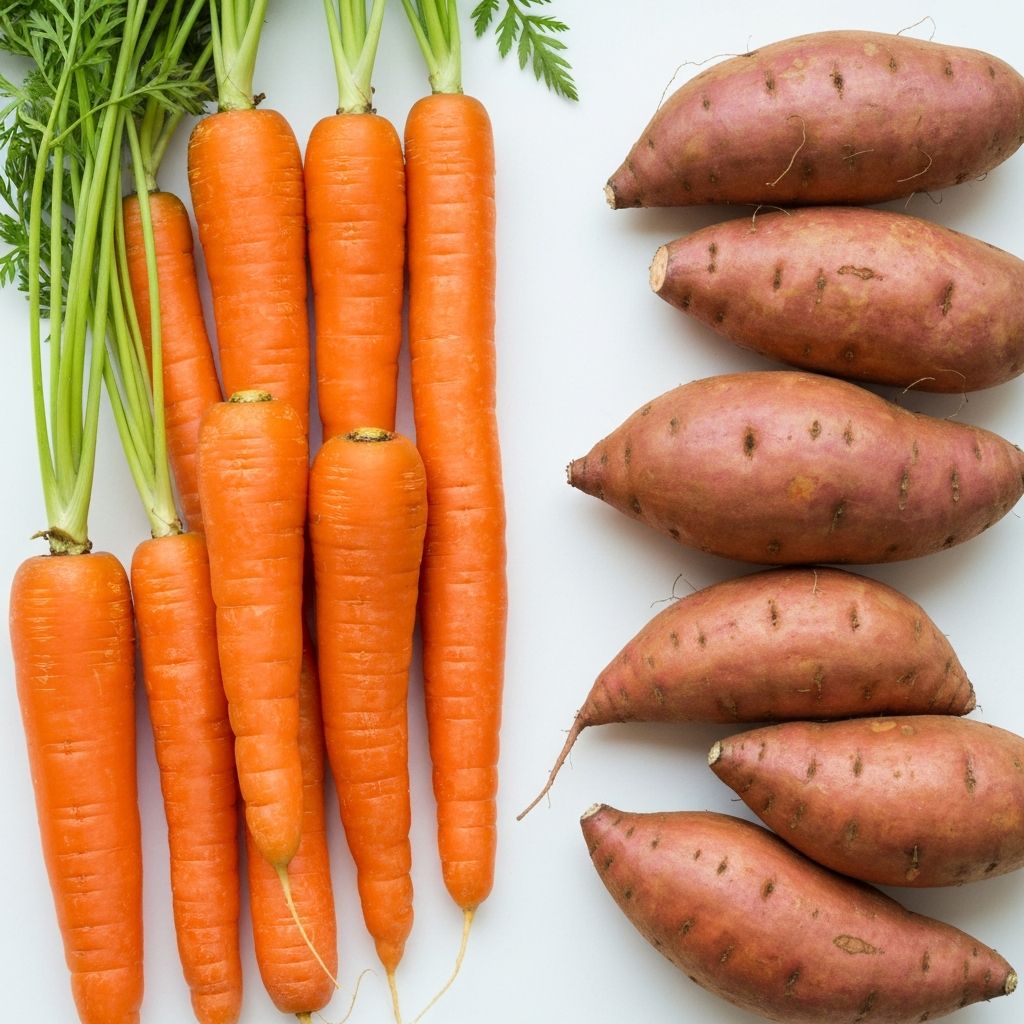
Found in orange and yellow vegetables like carrots, sweet potatoes, and pumpkin. Vitamin A supports vision, immune function, and skin health. Natural food sources provide beta-carotene which the body converts to vitamin A.
Vitamin C
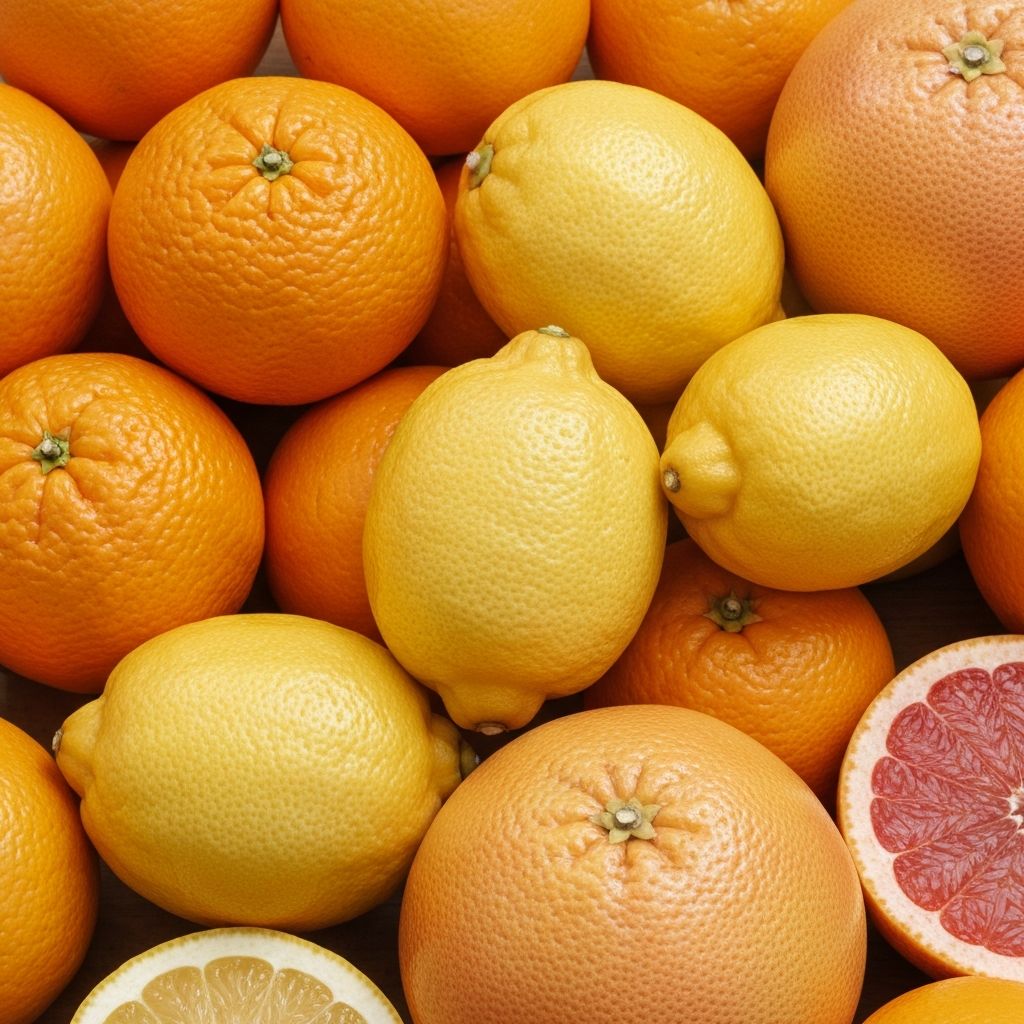
Abundant in citrus fruits, berries, and bell peppers. Vitamin C is a water-soluble vitamin that acts as an antioxidant and supports collagen formation. Fresh fruits and vegetables are excellent dietary sources.
Vitamin D
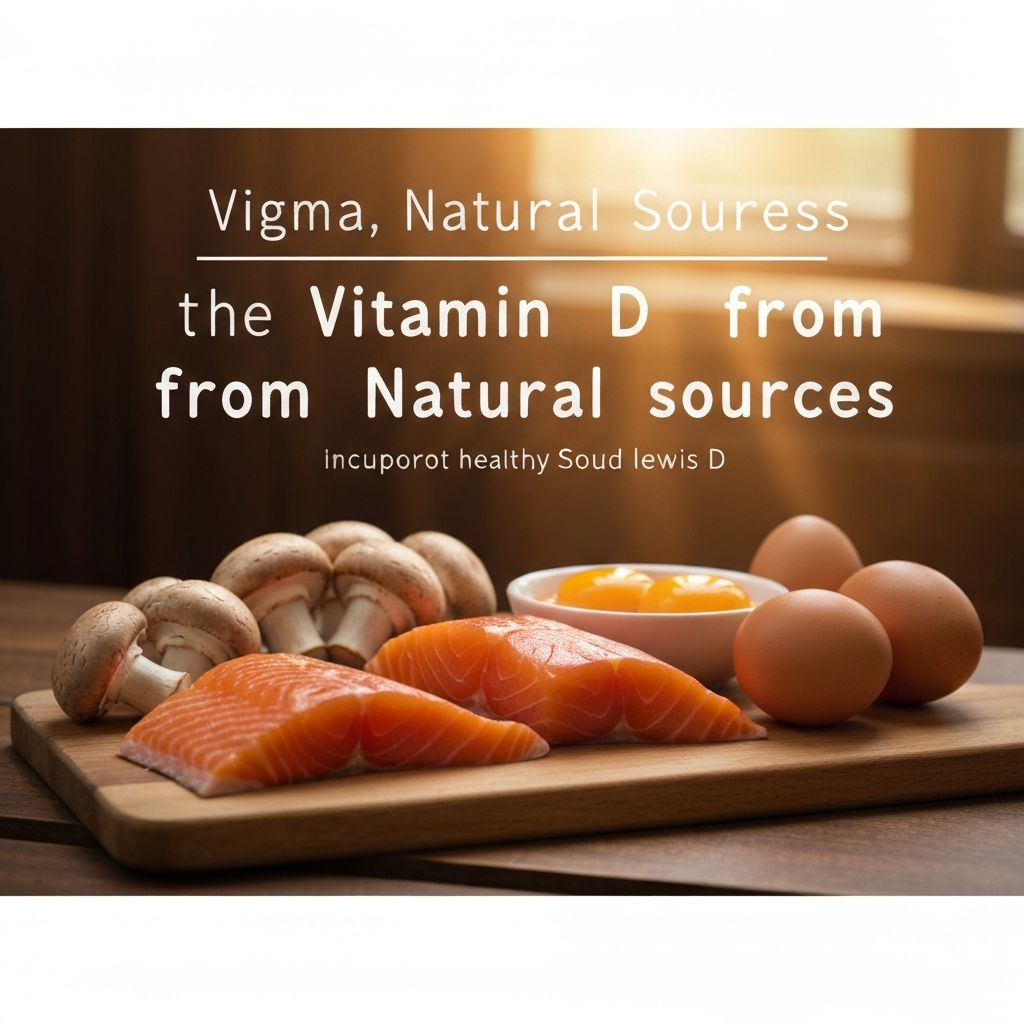
Present in fatty fish, mushrooms exposed to sunlight, and egg yolks. Vitamin D supports bone health and immune function. The body also produces vitamin D when skin is exposed to sunlight.
Role of Micronutrients
Micronutrients include vitamins and minerals that the body requires in small quantities but are essential for proper physiological function. These nutrients participate in countless biochemical reactions, from energy metabolism to cellular repair.
Active individuals may have different nutritional patterns compared to sedentary lifestyles. Understanding micronutrients helps contextualize dietary choices within broader nutrition science.
Minerals and Trace Elements
Minerals like zinc, magnesium, and selenium are found in various foods including nuts, seeds, whole grains, and leafy greens. These micronutrients support enzyme function, muscle contraction, and antioxidant systems.
B-Complex Vitamins
The B-vitamin family includes thiamine, riboflavin, niacin, B6, folate, and B12. These water-soluble vitamins are involved in energy metabolism and can be found in whole grains, legumes, eggs, dairy, and leafy vegetables.
Fruits and Vegetables
Fruits and vegetables form the cornerstone of a nutrient-dense diet. They provide vitamins, minerals, fiber, and phytonutrients that contribute to overall nutritional intake.
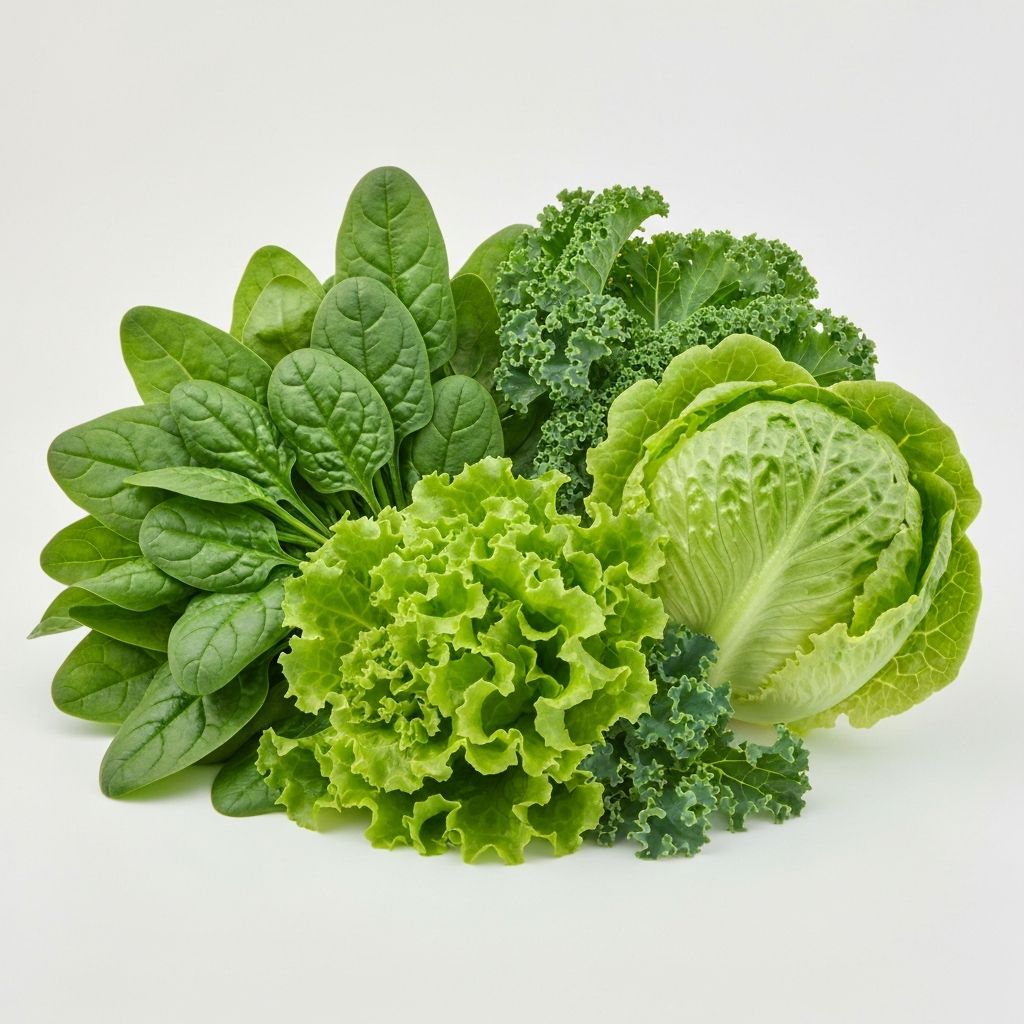
Leafy Greens
Spinach, kale, and lettuce are rich in folate, vitamin K, and various minerals. Dark leafy greens contain chlorophyll and other plant compounds. They can be consumed raw in salads or cooked in various dishes.
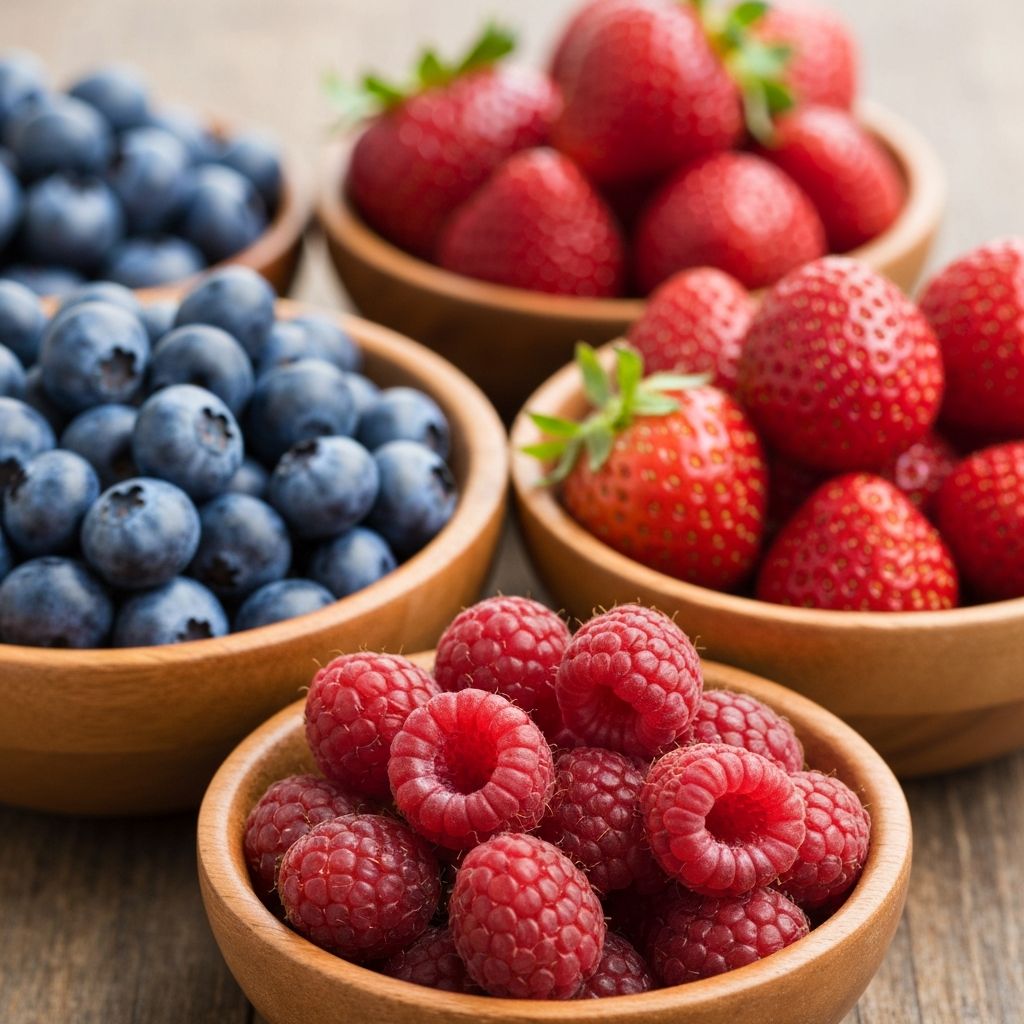
Berries
Blueberries, strawberries, and raspberries contain vitamin C, fiber, and various antioxidant compounds. Berries are versatile fruits that can be eaten fresh, frozen, or incorporated into meals.
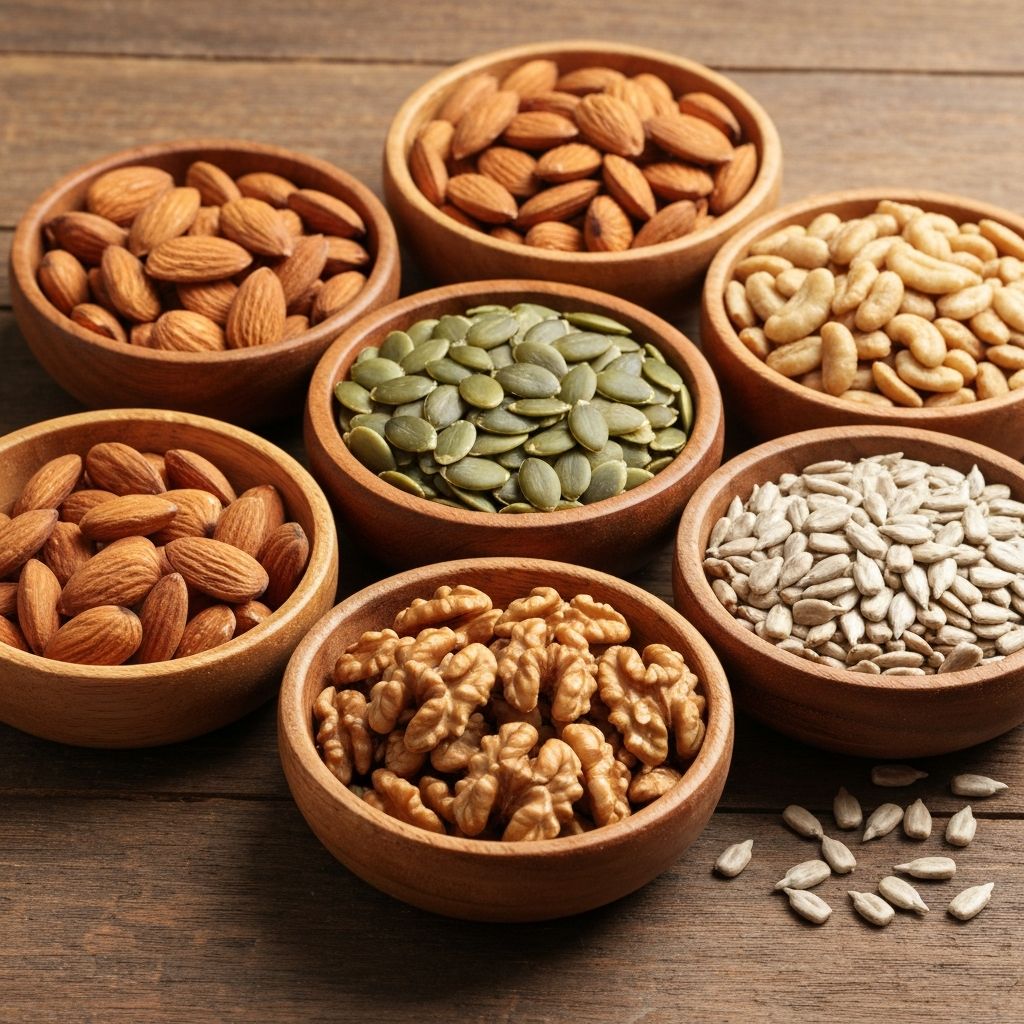
Nuts and Seeds
Almonds, walnuts, chia seeds, and flax seeds provide healthy fats, protein, fiber, and minerals like magnesium and zinc. They serve as convenient nutrient-dense snacks.
Natural Sources of Nutrients
Understanding where nutrients naturally occur in foods helps individuals make informed dietary selections. Whole foods provide nutrients in complex matrices that also contain fiber, water, and other beneficial compounds.
Protein Sources
Legumes, lentils, chickpeas, quinoa, fish, eggs, and dairy products provide protein along with various micronutrients. Plant-based protein sources often contain fiber, while animal sources may provide B12 and complete amino acid profiles.
Whole Grains
Brown rice, oats, quinoa, and whole wheat contain B-vitamins, minerals, and fiber. Whole grains retain their bran and germ, preserving more nutrients compared to refined grains.
Seasonal Ingredients
Seasonal eating involves consuming fruits and vegetables when they are naturally harvested in your region. Seasonal produce is often fresher and may contain optimal nutrient levels.
In Austria, spring brings asparagus and strawberries, summer offers tomatoes and peppers, autumn provides pumpkins and apples, while winter features root vegetables and cabbage varieties.
Farmers markets often showcase seasonal local produce, providing opportunities to explore diverse vegetables and fruits throughout the year.

Energy and Wellness Balance
Energy levels and overall wellness are influenced by multiple factors including nutrition, physical activity, sleep, stress management, and individual physiology. Nutrition is one component of this complex system.
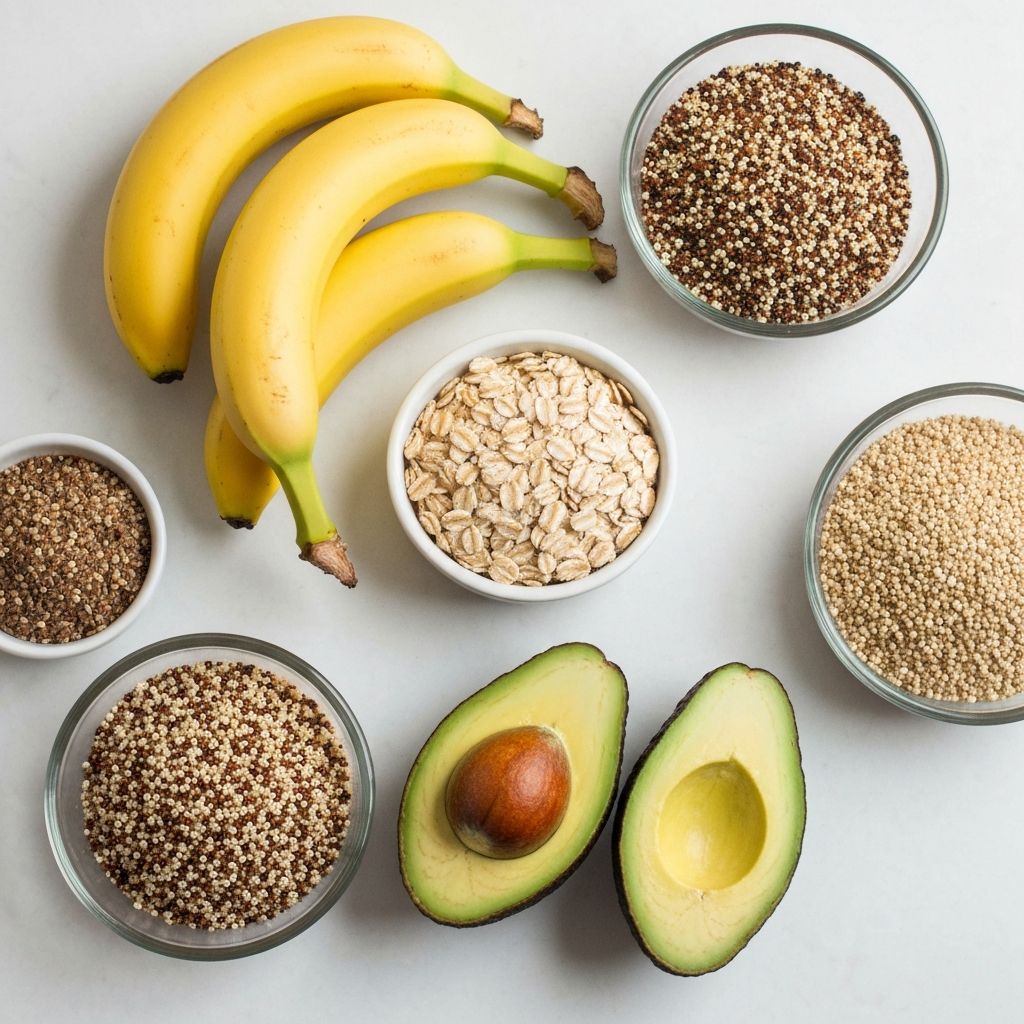
Energy Metabolism
Carbohydrates, fats, and proteins all contribute to energy production. Complex carbohydrates from whole grains, healthy fats from nuts and avocados, and adequate protein intake support sustained energy throughout the day.

Balanced Meals
A balanced meal typically includes vegetables, a protein source, whole grains, and healthy fats. This combination provides various nutrients and helps maintain stable blood sugar levels throughout the day.
Whole Foods Approach
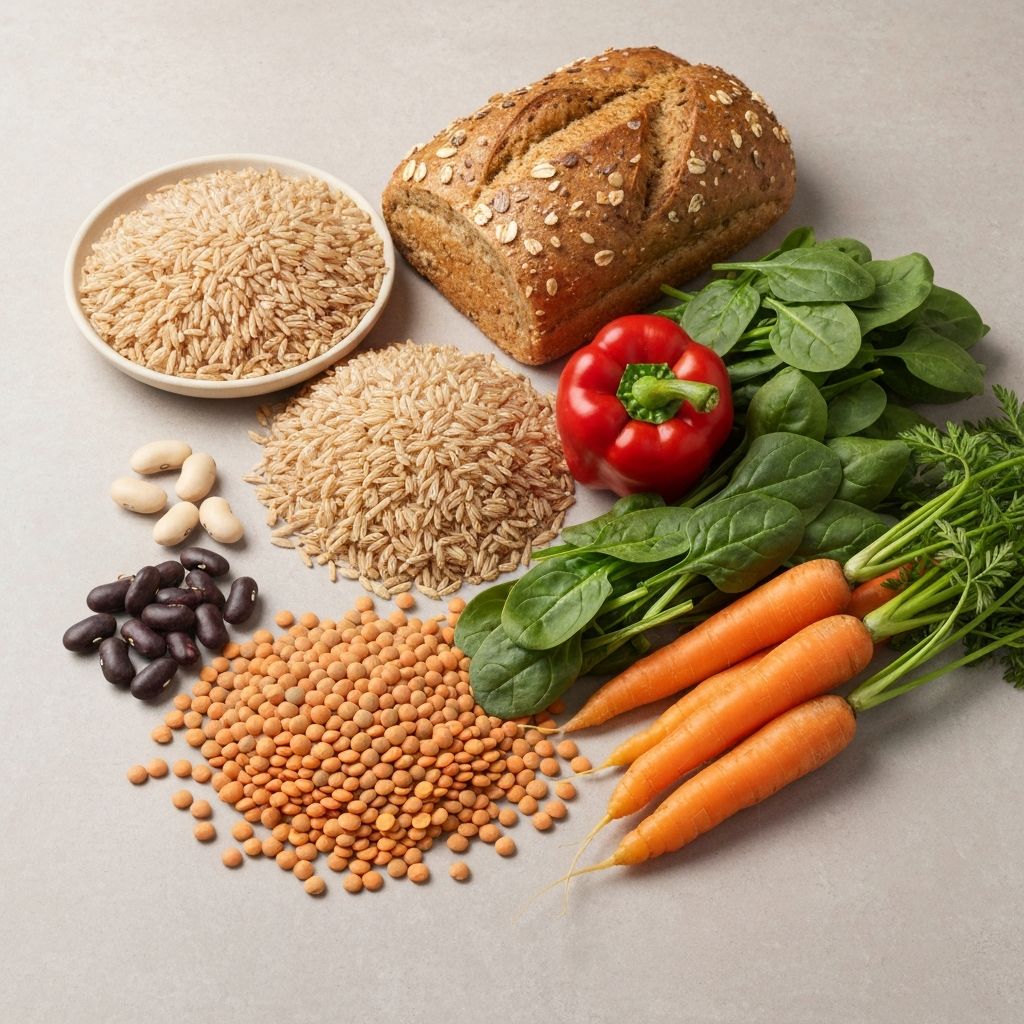
Emphasizing whole, minimally processed foods provides naturally occurring nutrients in their food matrix. Whole foods include fresh produce, whole grains, legumes, nuts, seeds, and unprocessed protein sources.
Scientific Insights
Nutrition science continues to evolve as researchers study the relationships between diet, nutrients, and health outcomes. Scientific understanding is built through controlled studies, observational research, and mechanistic investigations.
Research Context
Nutritional research examines how different dietary patterns and nutrients relate to various health markers. Studies range from biochemical investigations of nutrient metabolism to population-level dietary surveys.
Scientific literature helps contextualize the roles of specific nutrients, though individual responses to dietary patterns can vary based on genetics, lifestyle, and other factors.
Evidence-Based Understanding
Evidence-based nutrition draws from multiple study types including randomized controlled trials, cohort studies, and systematic reviews. Consensus guidelines from health organizations synthesize research findings to inform public health recommendations.
Understanding the scientific process helps contextualize nutrition information and distinguishes between established knowledge and emerging hypotheses.
Myths and Facts
Nutrition information is widely available, but not all sources provide accurate, science-based content. Distinguishing between evidence-supported facts and popular myths helps develop informed perspectives.
Common Misconceptions
Some common nutrition myths include beliefs that all fat is harmful, that carbohydrates should be completely avoided, or that specific foods have magical properties. In reality, nutrition is nuanced, and both macronutrients and micronutrients play important roles.
Another misconception is that supplements can replace a balanced diet. While supplements may address specific deficiencies under professional guidance, they do not replicate the complex nutrient interactions found in whole foods.
Evidence-Based Facts
Scientific evidence supports the benefits of consuming a variety of whole foods, including plenty of vegetables and fruits. Diverse dietary patterns like Mediterranean diets have been studied extensively in relation to various health outcomes.
Adequate hydration, regular physical activity, sufficient sleep, and stress management all complement nutritional intake as part of overall wellness. No single nutrient or food determines health outcomes in isolation.

Lifestyle Awareness Tips
Developing awareness around nutrition and lifestyle involves understanding basic principles and how they apply to individual contexts. Here are some educational points to consider:
- Eating a rainbow of colorful vegetables and fruits provides diverse phytonutrients and vitamins
- Adequate hydration supports all bodily functions and helps maintain energy levels
- Physical activity complements nutritional intake by supporting metabolism and overall health
- Adequate sleep is essential for recovery, hormone regulation, and metabolic health
- Stress management through various techniques can influence eating patterns and digestion
- Meal timing and frequency are individual factors that can be adapted to personal schedules
- Food preparation methods like steaming, roasting, and raw consumption preserve different nutrients
Natural Food Products Overview
Understanding various natural food categories helps broaden nutritional knowledge. Here are some examples of nutrient-dense food groups and their general characteristics:
Omega-3 Rich Foods
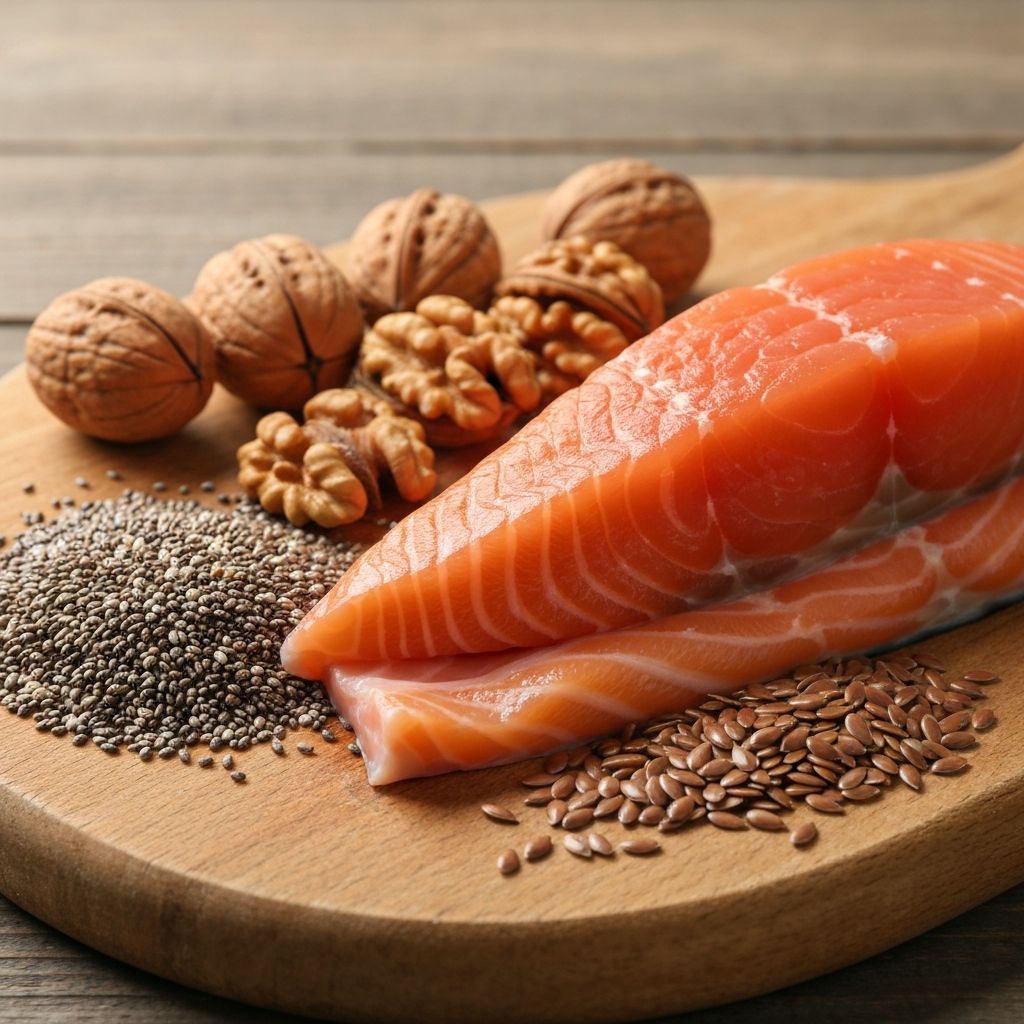
Fatty fish like salmon and mackerel, along with plant sources like chia seeds, flax seeds, and walnuts contain omega-3 fatty acids. These essential fats are studied for their role in cardiovascular and brain health. Omega-3s are part of cell membranes and involved in various physiological processes.
Explore topic
Antioxidant-Rich Foods
Berries, dark chocolate, green tea, and colorful vegetables contain various antioxidant compounds like polyphenols and flavonoids. Antioxidants interact with free radicals in the body. A diet rich in diverse plant foods provides numerous antioxidant compounds that work synergistically.
Learn more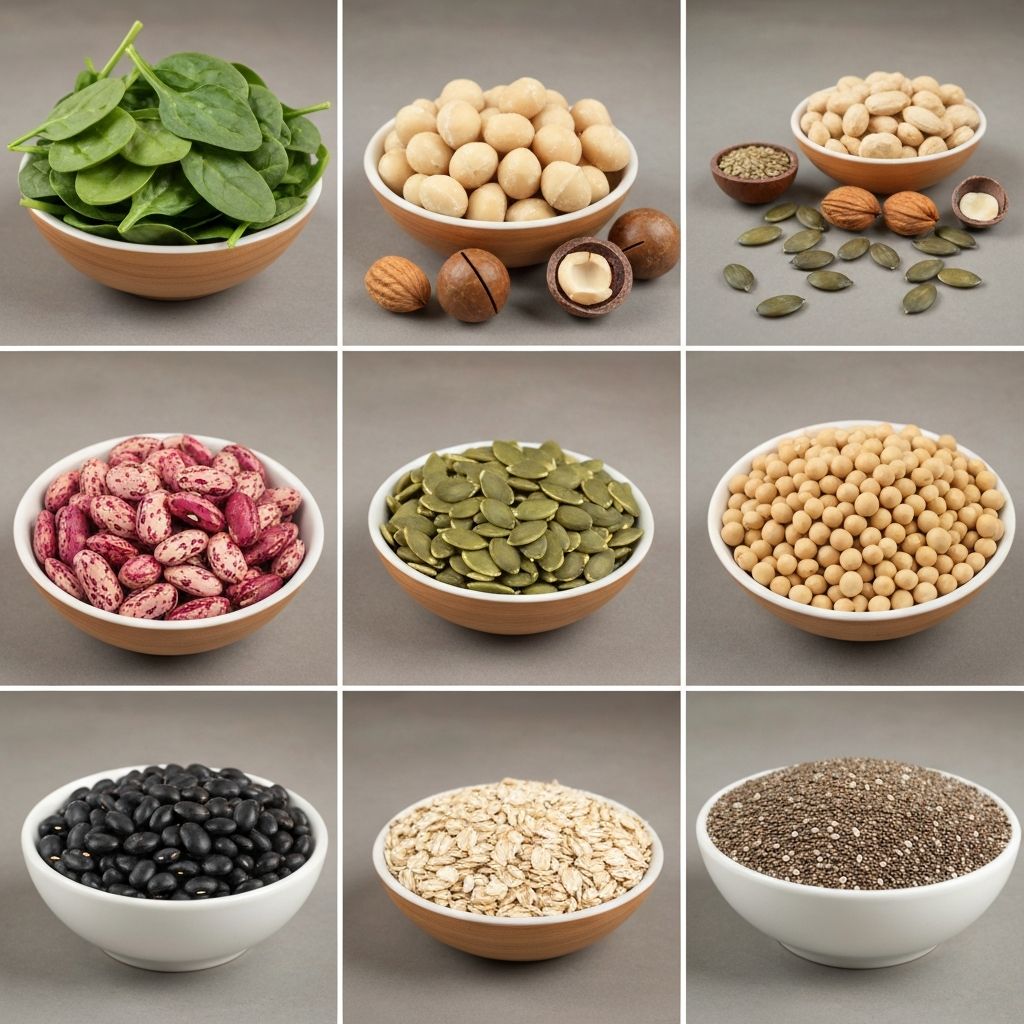
Mineral-Dense Foods
Leafy greens, legumes, nuts, seeds, and whole grains provide essential minerals like iron, zinc, magnesium, and calcium. Minerals support bone health, enzyme function, oxygen transport, and countless other physiological processes. Combining various mineral-rich foods supports adequate intake.
Read full articleReferences and Studies
Scientific understanding of nutrition is based on accumulated research from various institutions and disciplines. Key areas of study include:
Nutritional Biochemistry
Research in this field examines how the body processes vitamins, minerals, and other nutrients at the molecular level. Studies investigate nutrient absorption, metabolism, and utilization in cellular processes.
Dietary Patterns Research
Large-scale epidemiological studies examine relationships between dietary patterns and health outcomes across populations. This research helps identify general dietary principles associated with various health markers.
Micronutrient Studies
Specific research focuses on individual vitamins and minerals, examining their roles in physiology, optimal intake levels, and consequences of deficiency or excess.
Food Science
Food science investigates nutrient composition of foods, effects of processing and storage, bioavailability of nutrients, and interactions between food components.
Information Context and Limitations
All content on this website is provided for educational and informational purposes only. The material presented represents general nutrition science concepts and is not tailored to any individual's specific circumstances.
Individual nutritional needs vary based on age, genetics, health status, activity level, and numerous other factors. This content does not constitute personalized advice or recommendations.
For individual guidance regarding nutrition, health concerns, or dietary changes, individuals should consult qualified healthcare professionals and registered nutritionists who can assess personal circumstances.
The information presented reflects current scientific understanding but should not be interpreted as definitive or complete, as nutrition science continues to evolve.
Community Knowledge Hub
VitaMan serves as an educational platform to explore nutrition science concepts, understand food sources of vitamins and minerals, and develop broader awareness of dietary principles.
Our goal is to present scientific concepts in accessible language, helping readers understand the roles of various nutrients and the importance of balanced nutrition patterns.
Educational Approach
We focus on explaining nutritional concepts rather than providing directives. Our content draws from scientific literature and presents information in context, acknowledging the complexity of nutrition science.
Continuous Learning
Nutrition science evolves as new research emerges. We aim to reflect current scientific understanding while acknowledging that knowledge in this field continues to develop and refine over time.
Continue Exploring Nutrition Knowledge
Understanding vitamins, minerals, and balanced nutrition is a continuous learning process. We invite you to explore the various topics covered on this educational resource.
Educational content only. No promises of outcomes.